In short
What the law requires employers to do to protect workers, what employees must do, and what happens when a work injury occurs.
The employer's duties
The Labour Law gives employers clear duties to protect their workers (Labour Law, Articles 121 to 123):
- A healthy, clean workplace: keep the establishment healthy and clean, lit, with safe drinking and washing water, and apply the occupational safety and health rules and standards set by the Minister's decision (Article 121).
- Necessary precautions: protect workers from hazards and diseases caused by the work and the machines used (Article 122).
- Visible written instructions: post safety instructions in a visible place in Arabic, and in any other language the workers understand where needed (Article 122).
- At the employer's cost: workers cannot be charged, and their wages cannot be reduced, for this protection (Article 122).
- Explain the risks before work starts: tell the worker about the risks of the job before they start, and require them to use the set protective measures (Article 123).
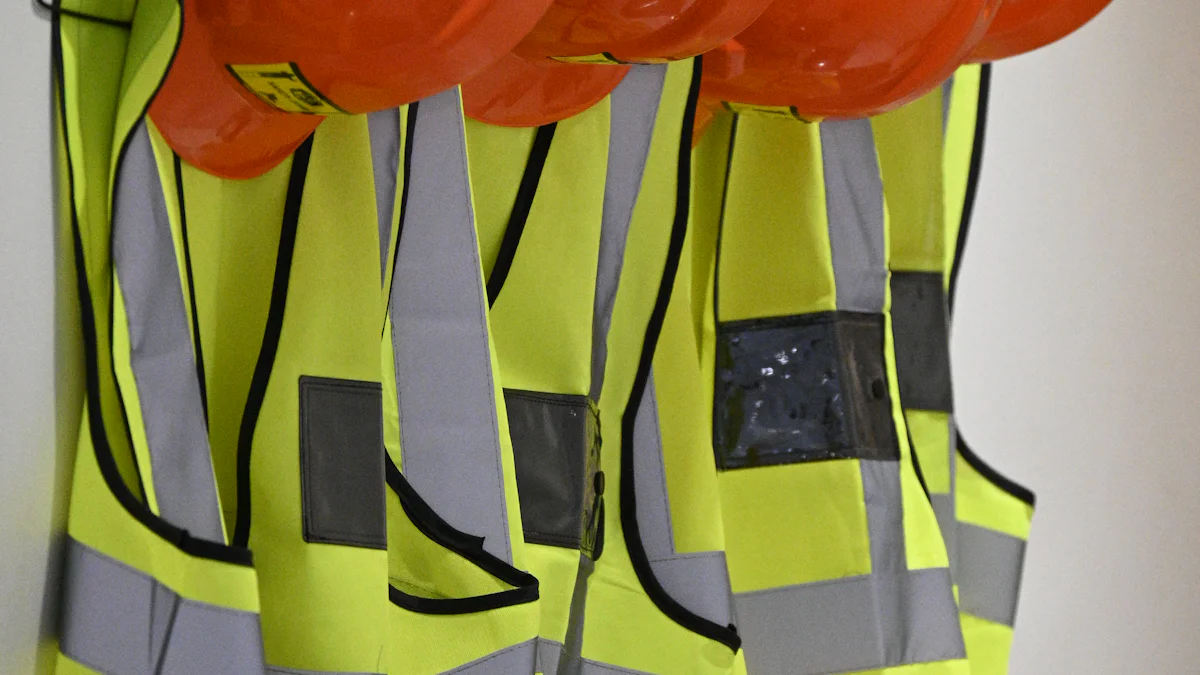
- Protective equipment and training: provide suitable personal protective equipment and train workers to use it (Article 123).
The employee's duties
The worker must use and look after the protective equipment for each task, follow the safety instructions, and avoid any act or neglect that stops the instructions being applied, or that misuses or disables the protective measures (Article 124).
When a work injury happens
If a worker suffers a work injury or occupational disease, the employer must provide treatment and pay all its costs, including hospital stay, tests, X-rays, prosthetic devices and transport to treatment (Article 133).
Article 132 says the provisions of its chapter do not apply to establishments covered by the occupational hazards branch of the Social Insurance Law; their injuries are handled through the General Organization for Social Insurance (GOSI).
Reporting an injury: the employer, or someone acting for them, must report to the competent GOSI office any work injury that needs more than first aid within three days of being told about it or learning of it, and the injured worker must tell the employer within seven days (GOSI: Article 1 of the occupational hazards compensation regulation, Arabic). The report is made online through the "Report a work injury" service for businesses (service page on the national platform, Arabic).
Practical example
Illustrative example: a company runs a warehouse with staff of several nationalities. It posts safety instructions in Arabic and in a language the workers understand, gives them helmets and safety shoes free of charge, trains them before they start, and keeps a training record.
Common mistakes employers make
- Deducting the cost of protective equipment from wages.
- Posting instructions in a language workers do not understand, or with no Arabic version.
- Handing out protective equipment without training.
- Not knowing whether the company is covered by GOSI's occupational hazards branch.
- Reporting work injuries late.
Frequently asked questions
Can I deduct the cost of safety equipment from a worker's salary?
No. Article 122 does not allow charging workers or deducting from their wages for this protection.
Which language should safety instructions be in?
In Arabic, and in any other language the workers understand where needed (Article 122).
Who pays for treating a work injury?
Article 133 makes the employer responsible for treatment and its costs. Article 132 excludes establishments covered by the occupational hazards branch of the Social Insurance Law from its chapter, so check your company's status with GOSI.
Official sources
Last reviewed:
Need help?
Our team can help you apply this in your company.
Contact us